
Direct Answer
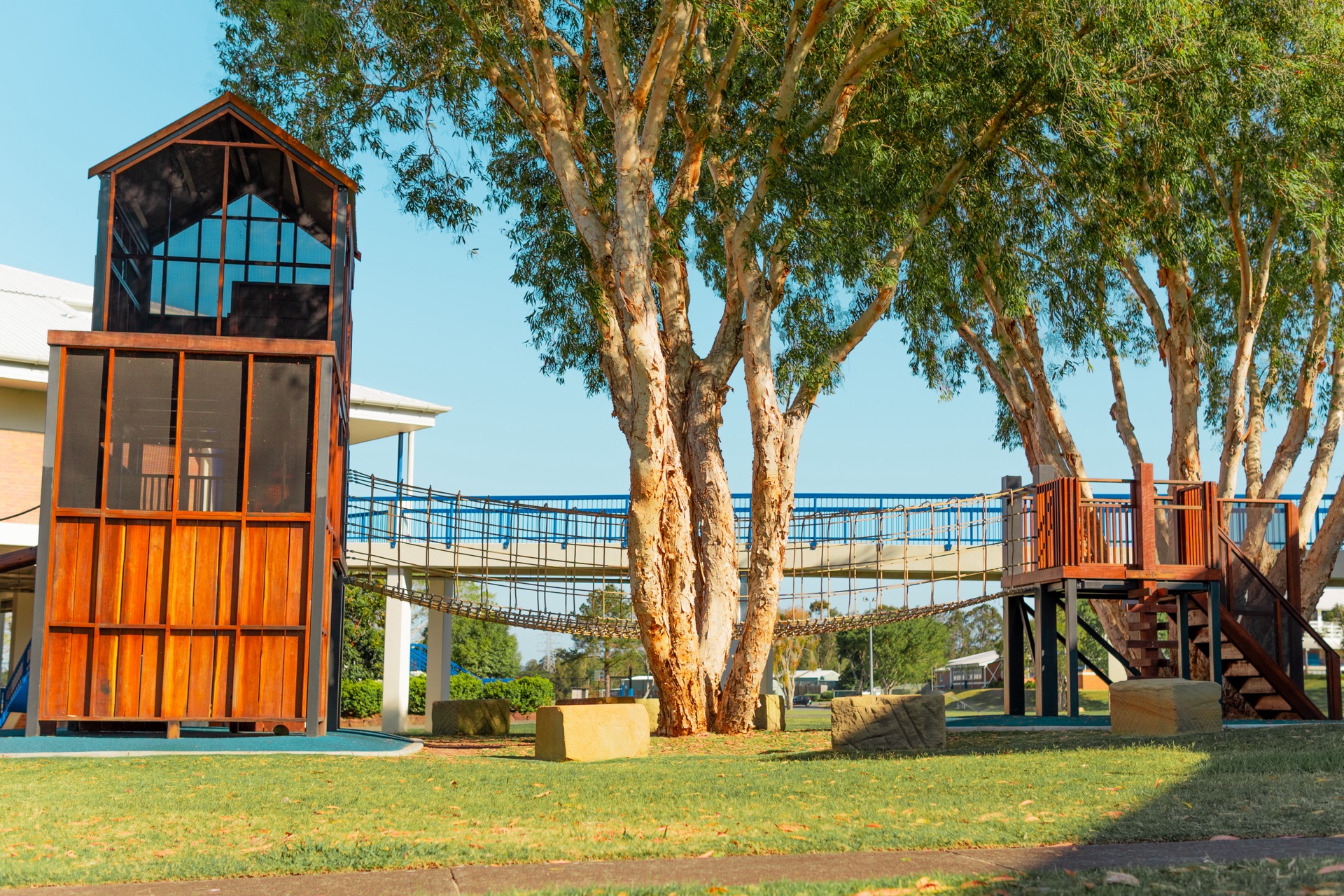
Designing a natural playground goes beyond simply using natural materials. It begins with viewing the child as a contributor to the environment, recognising that the natural world is their natural habitat. A true natural playground is designed to meet the child's physiological needs and foster exploration.
The goal is to create a bridge for the child to experience an authentic natural environment, fostering a sense of coexistence. When a child identifies as part of nature, rather than separate from it, they develop an innate desire to care for the environment that cares for them. This relationship is our ultimate goal.
The Philosophy Behind Natural Playground Design
Natural playgrounds are not just about aesthetics or materials. They represent a fundamental shift in how we think about children's relationship with their environment.
The natural world is the authentic habitat of children. When we design natural playgrounds, we're not creating something artificial—we're restoring children's access to the environment their bodies and minds evolved to learn in.
Why Natural Over Traditional?
Traditional playgrounds, often reduced to the "four S's" (swing, slide, seesaw, sandpit), are typically rigid, post-and-platform structures that dictate play: "climb here, slide here." They're born from an adult's perception of play, focusing on control and perceived safety.
A natural playground offers flexibility and a greater diversity of opportunities that align with a child's intrinsic motivations. As children's freedom to explore their neighbourhoods has shrunk, the playground must provide these missing natural experiences.
From a sensory standpoint, natural materials like wood and grass are easier for our bodies to process, supporting our needs and inquiries. Synthetic materials require more cognitive capacity to process. A natural playground allows for open-ended play, while a traditional one promotes single-function movement.
Key Elements of Natural Playground Design
There is no single element that rules them all—diversity of experience is key. Instead of focusing on a specific piece of equipment like a slide, focus on the experience it provides. An ideal outdoor area includes a variety of opportunities to meet children's diverse needs.
Essential Experiences to Include
Opportunities to "Just Be"
Quiet spaces for regulation in a busy world. Places where children can observe, think, and simply exist.
Fast-Moving Play
Areas to move the body, burn off stress, and build endurance. Running, spinning, riding.
Gross Motor & Heavy Work
Activities that build the brain-body connection and help regulate emotions. Climbing, lifting, pushing.
Child's Voice
Spaces where a child's agency is represented, allowing them to choose their own challenges.
Playing at Height
Scalable challenges to build confidence and learn to manage fear safely.
Secluded Play
Essential for children who need to step away, observe, and self-regulate. Still supervised, but feeling private.
Broad Age Spectrum
Spaces that encourage older children to play down and younger children to play up, fostering compromise and collaboration.
Loose Parts Play
Materials that promote inquiry, creativity, and agency. Focus on the process, not the outcome.
Water Play
A powerful sensory and heavy-work tool that inspires wonder and learning.
Small World Play
Small, themed spaces (cubbies, dens) that support social inquiry and complexity.
Designing for Different Ages
Design must be age-appropriate, meeting the child where they are:
Babies: The Nest
A safe, calm, and nurturing space that is an extension of the indoors. It's about close, face-to-face interaction and security. Focus on sensory-rich but calm environments.
Toddlers: The Travelers
Toddlers are ground-based and pinball around, seeking varied sensory experiences. They want to touch, hit, and tip everything to understand it. Offer many different surface-level experiences for them to explore.
Kindergarteners: The Prospectors
These children move beyond surface-level exploration to deep inquiry. They choose a few experiences and explore them in depth, questioning how things interact socially and physically. They are chasing a "gold thread of inquiry" to understand the world's complexities. Offer scalable challenges and opportunities for mastery.
Connecting Design to Your Centre's Philosophy
A successful playground complements the centre's identity and educational practices. It should act as a resource that represents your unique philosophy about children and learning—becoming an extension of your centre's values.
Consider how the outdoor space can:
- Reflect your educational approach (Reggio, Montessori, play-based, etc.)
- Support your curriculum and programming
- Enable the learning experiences you value most
- Represent your community's culture and identity
- Create talking points for families and visitors
Balancing Nature and Compliance
Natural playgrounds must still meet Australian Standards (AS 4685, AS 4422). The good news is that standards support risk-benefit thinking—they're not about eliminating all risk but about managing it thoughtfully.
Key compliance considerations for natural playgrounds:
- Fall zones: Natural elements over 600mm still need compliant surfacing
- Entrapment: Logs and branches need assessment for gaps that could trap heads or fingers
- Maintenance: Living elements require ongoing care to remain safe
- Documentation: Risk assessments that articulate benefits alongside risks
Read our guide to Australian playground safety standards for detailed compliance information.
Key Takeaways
- Natural playground design starts with philosophy, not materials
- The goal is to restore children's relationship with natural environments
- Diversity of experience matters more than specific equipment
- Include spaces for quiet, active, social, and solitary play
- Design should be age-appropriate for babies, toddlers, and kindergarteners
- Your playground should reflect your centre's philosophy and values
- Natural playgrounds can and must meet Australian Standards
Ready to Design Your Natural Playground?
Every centre is unique, and so should your playground be. Book a free discovery call to discuss your vision, philosophy, and space. We'll explore how a natural playground can bring your educational values to life.
Send an Enquiry