
Direct Answer
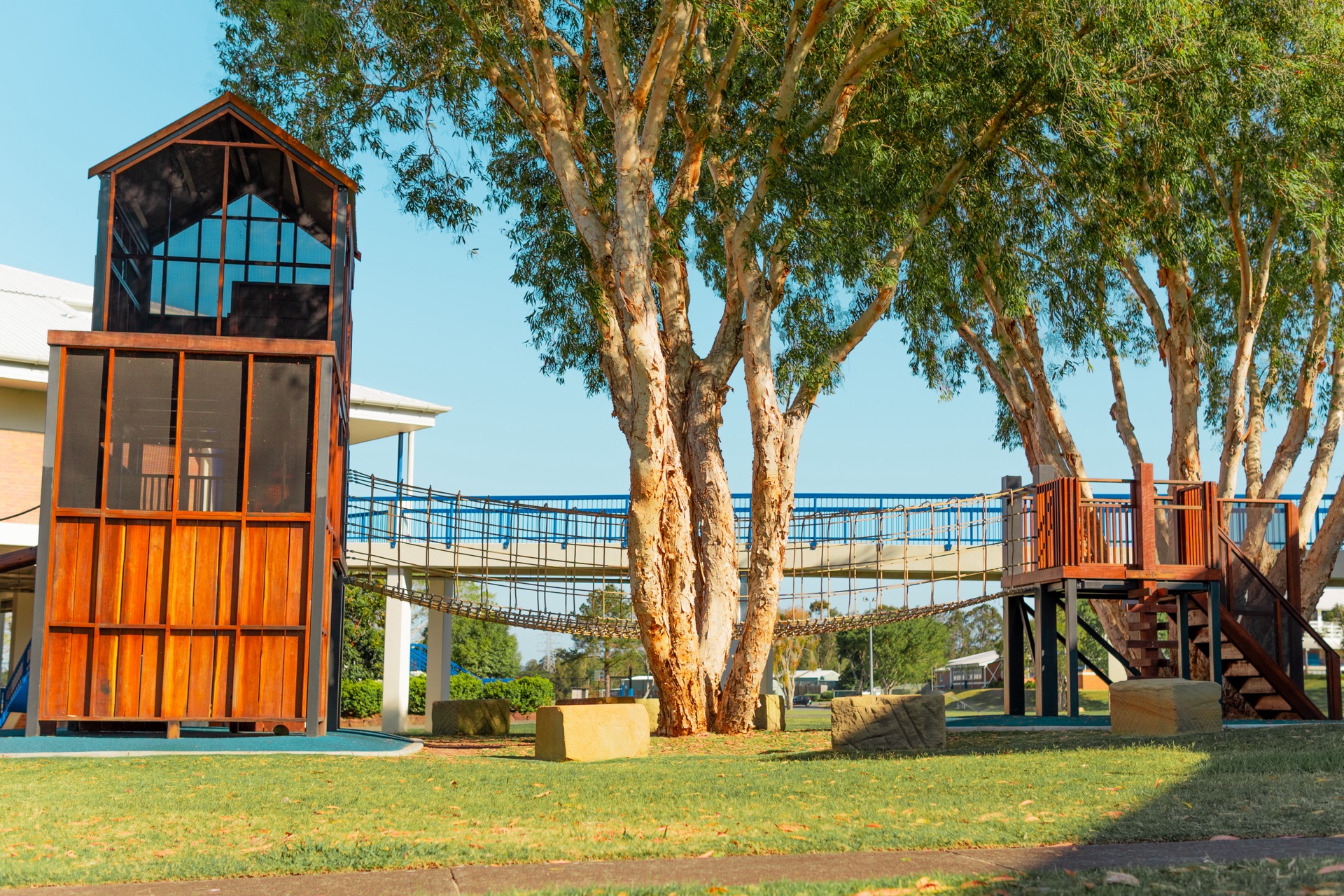
The Ecology of Play is a framework for understanding playgrounds as interconnected living systems. Rather than seeing a playground as equipment to install, it recognises the web of relationships between children, nature, community, educators, and place. Designing within this framework means creating environments where all these elements support and enrich each other.
The Four Dimensions
1. Children as Active Agents
Children aren't passive recipients of designed experiences—they actively shape their play environments:
- Agency: Children make choices about how, where, and with whom to play
- Creativity: They reimagine spaces in ways adults don't anticipate
- Competence: They bring existing knowledge and growing capabilities
- Voice: Their preferences and ideas should inform design
Good design creates frameworks children complete through their play, not finished products they merely consume.
2. Connection with Nature
Humans evolved in nature, and children's development is shaped by this heritage:
- Biophilia: Innate human connection with living systems
- Sensory richness: Nature provides complexity synthetic materials can't match
- Living systems: Plants, animals, weather, seasons become teachers
- Stewardship: Care for nature develops through relationship with it
Playgrounds should bring children into meaningful contact with the natural world—not just decorate with green.
3. Community and Relationships
Play happens in social context—playgrounds should strengthen community:
- Educator role: Spaces that support adults in facilitating play
- Family connection: Welcoming to parents and extended family
- Peer interaction: Spaces for both solitary and social play
- Intergenerational: Places where different ages can come together
4. Sense of Place
Every playground exists in a specific place with its own character:
- Local ecology: Native plants, local materials, regional climate
- Cultural context: Community values, traditions, stories
- Site character: Existing features, views, microclimates
- History: What happened here before? What will happen next?
Principles in Practice
Design as Relationship
We don't impose designs—we develop them in relationship with:
- The children who will play there
- The educators who will steward the space
- The community the centre serves
- The land itself and its ecological potential
Living Systems, Not Installations
Our playgrounds include:
- Plants that grow and change with seasons
- Loose parts that children rearrange
- Sand, water, and soil that transform
- Wildlife that arrives uninvited
The playground is never "finished"—it's always becoming.
Stewardship, Not Just Maintenance
Caring for a living playground is different from maintaining equipment:
- Gardens need tending, not just inspection
- Children can participate in care
- Seasonal changes are features, not problems
- Ongoing relationship with the space
Why This Matters
The Ecology of Play isn't just philosophy—it produces better outcomes:
- Richer play: Living environments engage children longer and more deeply
- Better development: Natural systems support all developmental domains
- Educator empowerment: Spaces that support professional practice
- Community connection: Places people feel ownership of
- Environmental outcomes: Genuine habitat creation, not greenwashing
Key Takeaways
- Playgrounds are living systems, not equipment installations
- Four dimensions: children, nature, community, place
- Design happens in relationship with all stakeholders
- Children are active agents who complete the design through play
- Nature connection is essential, not decorative
- Playgrounds need stewardship, not just maintenance
- Living environments produce better developmental outcomes
Interested in the Ecology of Play Approach?
We'd love to share how this philosophy might shape your playground project. Book a free discovery call to explore what's possible.