
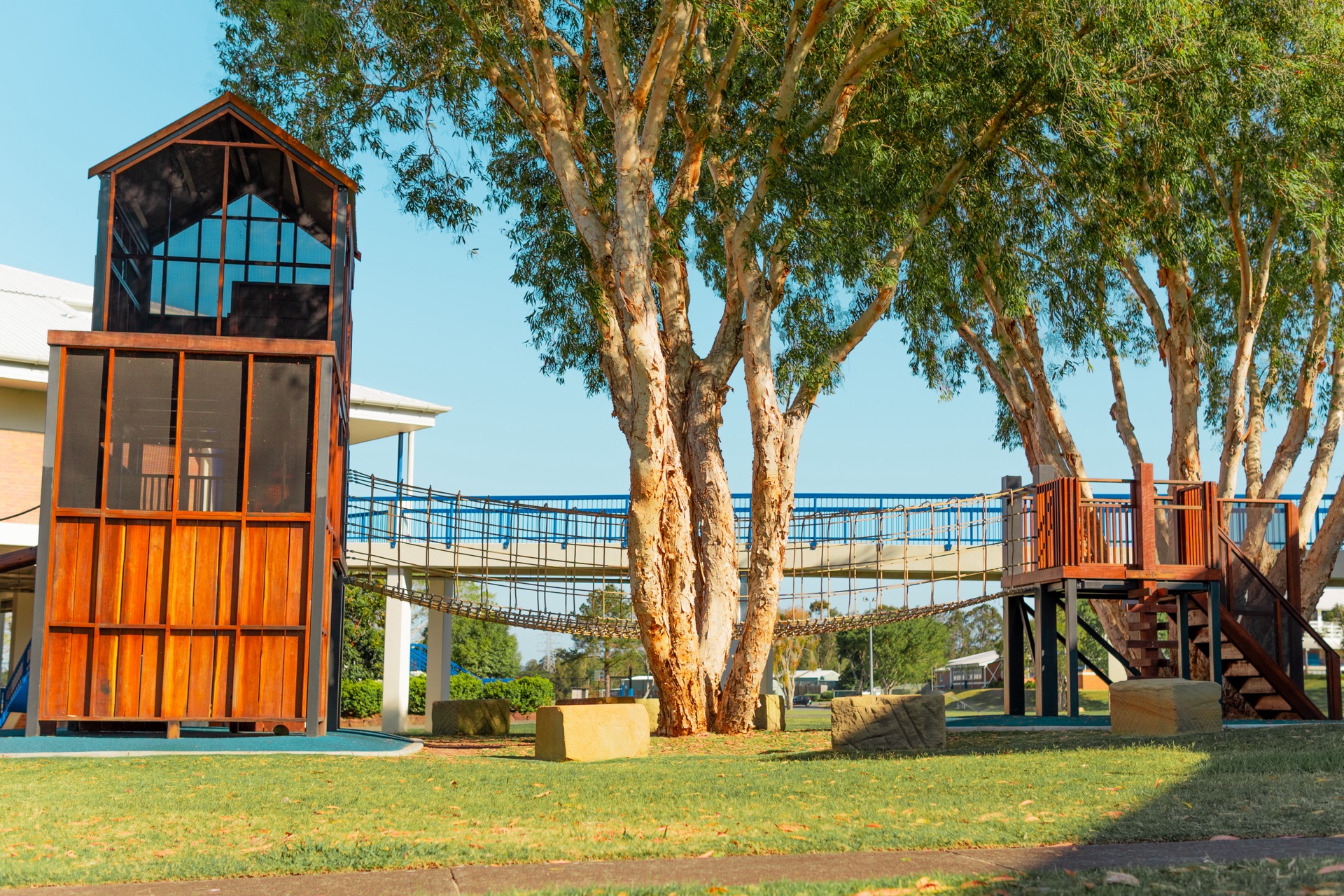
Direct Answer
A good early learning playground is one that works for children, educators, and families. It offers age-appropriate challenge, supports developmental domains, meets regulatory compliance, and invites open-ended play that grows with children's abilities and interests.
Core Principles for Early Learning Playgrounds
1. Age-Appropriate Challenge
Children need challenge to grow, but the challenge must match their developmental stage. A playground designed for 0-2 year olds looks very different from one for 3-5 year olds.
- Babies (0-12 months): Sensory-rich surfaces, gentle textures, safe exploration zones
- Toddlers (1-2 years): Low climbing structures, wide steps, push/pull elements
- Preschoolers (3-5 years): More complex climbing, balancing, swinging, imaginative play structures
The best playgrounds offer "graduated challenge"—elements that can be used in simpler ways by younger children and in more complex ways as they grow.
2. Supporting All Developmental Domains
A well-designed playground supports more than just physical development. It creates opportunities across all domains:
Physical Development
Gross motor skills through climbing, swinging, running, balancing. Fine motor through sand play, water play, nature manipulation.
Cognitive Development
Problem-solving through loose parts, cause-and-effect through water and sand, spatial awareness through varied terrain.
Social Development
Cooperative play areas, shared experiences, spaces that invite negotiation and turn-taking.
Emotional Development
Quiet retreat spaces, risk-taking opportunities for building confidence, nature areas for calm and restoration.
3. Diverse Play Zones
Effective early learning playgrounds include a variety of distinct zones:
- Active play zone: Climbing, swinging, sliding, running
- Quiet retreat: Cosy spaces for rest, observation, or small-group play
- Nature play: Gardens, digging patches, natural materials
- Sensory garden: Plants with different textures, scents, sounds
- Sand and water: Open-ended manipulation and experimentation
- Creative/imaginative: Dramatic play, construction, art-making spaces
- Gathering spaces: Areas for group activities, storytelling, music
4. Nature Integration
Research consistently shows that contact with nature benefits children's wellbeing, attention, and learning. Good playgrounds bring nature in through:
- Living plants (trees, shrubs, ground covers)
- Natural materials (logs, rocks, mulch, sand)
- Wildlife habitats (bird baths, butterfly gardens)
- Seasonal changes (deciduous trees, flowering plants)
- Natural shade and weather protection
5. Open-Ended Elements
The best play equipment invites children to use it in multiple ways, not just one prescribed way. Open-ended elements include:
- Loose parts: Tyres, planks, crates, fabric, natural materials
- Manipulable landscapes: Sand, mud, water, digging areas
- Multi-use structures: Platforms that can be stages, shops, or homes
- Natural features: Boulders, logs, mounds that suggest multiple uses
Compliance Considerations
Australian early learning playgrounds must meet multiple regulatory requirements:
AS 4685
Australian Standard for playground equipment and surfacing
AS 4422
Playground surfacing—specifying impact attenuation
NQF/NQS
National Quality Framework requirements for outdoor environments
Local Council
Development approvals and site-specific requirements
Compliance should be built in from the start, not added as an afterthought. Working with designers who understand both child development AND regulatory requirements ensures you get a space that serves learning while meeting all obligations.
Educator Perspectives
A good playground also works for educators. Consider:
- Sightlines: Can educators see all areas while supporting play?
- Flow: Do children move naturally between activities?
- Maintenance: Is the space easy to set up, pack down, and maintain?
- Programming flexibility: Can the space adapt to different activities?
- Shade and weather: Can children play safely in different conditions?
Common Mistakes to Avoid
- Over-specifying equipment: Choosing equipment that dictates play rather than invites it
- Ignoring age groupings: Designing for "children" generally rather than specific developmental stages
- Removing all risk: Play without appropriate challenge doesn't support development
- Forgetting shade: Particularly critical in Australian conditions
- Undervaluing nature: Plastic and metal over plants and natural materials
- Poor surfacing choices: Selecting surfaces for cost alone without considering play value
Key Takeaways
- Good playgrounds offer age-appropriate challenge that grows with children
- Design should support all developmental domains, not just physical
- Diverse play zones invite different types of play and learning
- Nature integration benefits wellbeing, attention, and engagement
- Open-ended elements support creativity and extended play
- Compliance should be designed in from the start
- Consider educator needs for sightlines, flow, and maintenance
Ready to Create a Great Early Learning Playground?
Every centre is different. Book a free discovery call to discuss your space, your children, and your vision for outdoor play.