
Direct Answer
Traditional playgrounds are typically rigid, post-and-platform structures that dictate play: "climb here, slide here." Often reduced to the "four S's" (swing, slide, seesaw, sandpit), they're born from an adult's perception of play, focusing on control and perceived safety.
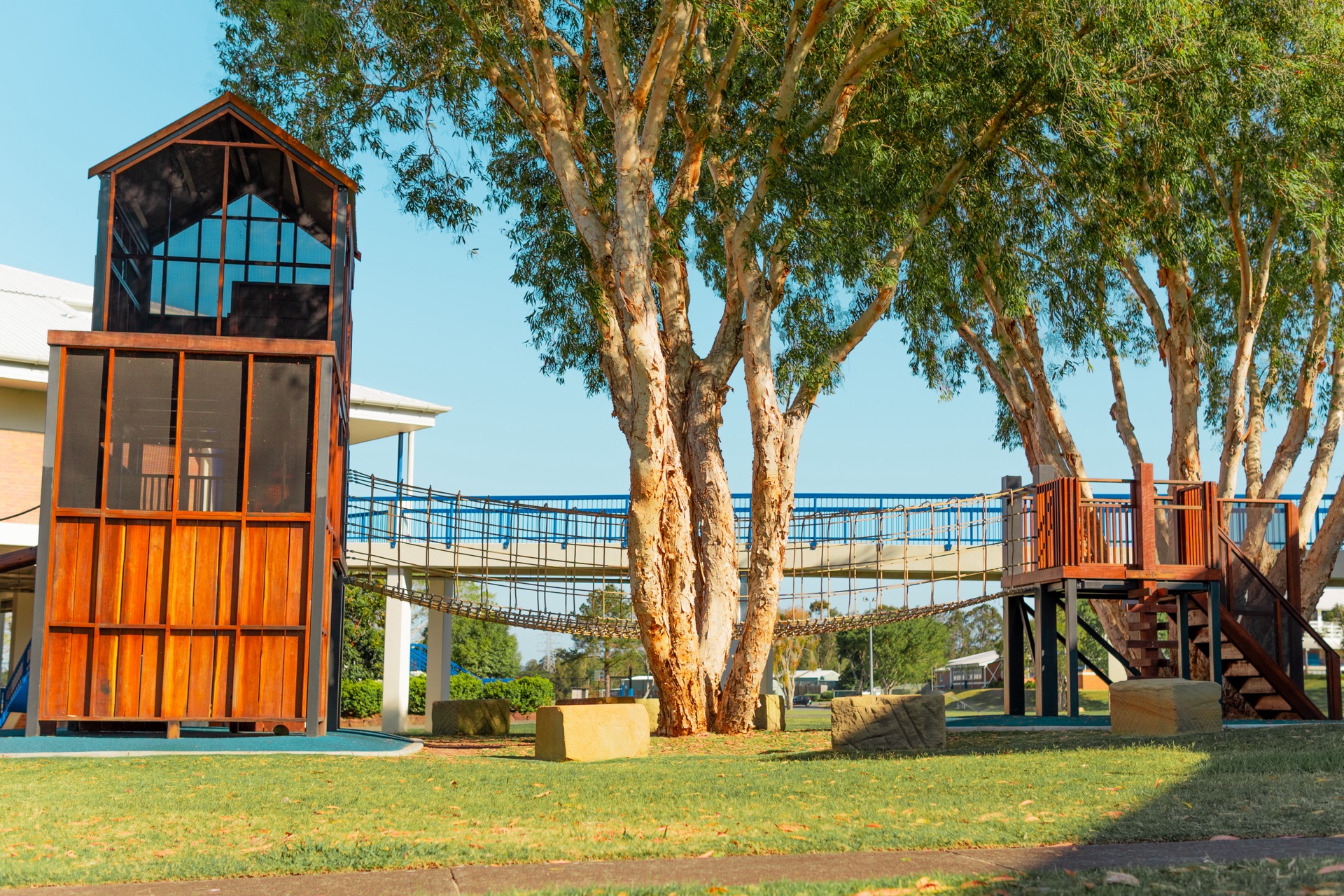
A natural playground, in contrast, offers flexibility and a greater diversity of opportunities that align with a child's intrinsic motivations. As children's freedom to explore their neighbourhoods has shrunk, the playground must provide these missing natural experiences.
Side-by-Side Comparison
| Aspect | Natural Playground | Traditional Playground |
|---|---|---|
| Play type | Open-ended, child-led | Prescribed, adult-designed |
| Sensory experience | Rich, varied, natural | Limited, synthetic |
| Developmental benefits | Holistic (physical, social, emotional) | Primarily physical |
| Child engagement | Higher, longer-lasting | Often shorter interest span |
| Maintenance | Living systems need care | Equipment wear and vandalism |
| Cost range (medium) | $100K - $700K+ | $50K - $300K |
| Longevity | 15-20+ years with maintenance | 10-15 years typical |
The Sensory Difference
From a sensory standpoint, natural materials like wood and grass are easier for our bodies to process, supporting our needs and inquiries. Synthetic materials require more cognitive capacity to process.
Natural Materials
- Wood textures vary naturally
- Temperature-regulating surfaces
- Natural sounds and scents
- Visual variation and complexity
- Biodegradable and sustainable
Synthetic Materials
- Uniform, predictable textures
- Can overheat in sun
- Limited sensory variation
- Often brightly coloured but uniform
- Plastic and rubber-based
Play Diversity: Beyond the Four S's
Traditional playgrounds often reduce play to the "four S's": swing, slide, seesaw, sandpit. This limits children to single-function movement—climb here, slide here, swing here.
A natural playground allows for open-ended play where children can:
- Create their own challenges and narratives
- Choose their level of risk and engagement
- Move at their own pace through varied experiences
- Use materials in multiple ways
- Develop social play organically
Meeting Children Where They Are
As children's freedom to explore their neighbourhoods has shrunk, the playground must provide these missing natural experiences. The natural world is the authentic habitat of children—it's where our bodies and minds evolved to learn.
"An environment with a diversity of opportunities can flex and change to meet a child's evolving needs, often more effectively than an adult's lesson plan can."
When Each Approach Makes Sense
Consider Natural Playgrounds When:
- You value open-ended, child-led play
- Your philosophy centres on nature connection
- You want diverse developmental opportunities
- Long-term value matters more than initial cost
- You can commit to ongoing caretaking
Traditional May Suit When:
- Budget is the primary constraint
- Minimal ongoing maintenance is essential
- Standardised equipment meets your needs
- Specific physical challenges are the goal
- High-traffic public spaces with limited supervision
The Value Equation
While initial costs can overlap, natural playgrounds often provide better long-term value:
- Longer lifespan: 15-20+ years vs 10-15 years means lower annualised cost
- Richer development: Holistic benefits across physical, social, and emotional domains
- Higher engagement: Children stay interested longer, reducing behavioural issues
- Environmental values: Natural materials align with sustainability education
- Community pride: Unique, site-specific designs become identity markers
The lowest-cost option isn't always the best value. Consider what outcomes you're seeking and what environment will best serve your children.
Key Takeaways
- Traditional playgrounds dictate play; natural playgrounds enable discovery
- Natural materials are easier for children to process sensorially
- Natural playgrounds typically last longer (15-20+ years vs 10-15)
- Initial costs can be similar, but long-term value differs
- Children's engagement is higher in natural environments
- The best choice depends on your philosophy, budget, and capacity
Ready to Explore Your Options?
The best playground is the one that serves your children, philosophy, and community. Book a free discovery call to discuss what approach might work for your setting.