
Direct Answer
NQF-compliant playgrounds must prevent injury while simultaneously offering age-appropriate, scalable challenges. They need both fixed and movable elements, a whole-child approach (physical, social, emotional, cultural, spiritual development), and genuine nature—not just artificial surfaces. When compliance is genuinely met, it liberates educators to focus on children's holistic growth.
Core NQF Requirements for Outdoor Spaces
Outdoor Space Minimum
Australian childcare centres require at least 7 square metres of usable outdoor space per child. However, states interpret "usable outdoor" differently.
Queensland example: Queensland excludes covered areas that block exposure to the elements. Children must access sky, wind, rain—the living outdoors. A warehouse playground doesn't count. This reflects an understanding that outdoor play means connection with nature, not just a larger indoor space.
Safety and Development Together
The NQF framework requires a dual focus:
Safety First
Playgrounds must prevent injury through compliance with Australian Standards for equipment and surfacing.
Development Always
Simultaneously, they must offer age-appropriate, scalable challenges that support children's growth.
What Makes a Playground Truly Compliant
Mixed Affordances
Use both fixed and movable elements to meet diverse needs. Movable parts invite agency and voice—children can shape their environment, not just use it.
Whole Child Lens
Physical development matters—but so do social, emotional, cultural, and spiritual dimensions. Playgrounds should honour community identity and culture, not just provide equipment.
- Physical: Gross motor, fine motor, balance, coordination
- Social: Opportunities for interaction, collaboration, negotiation
- Emotional: Spaces for regulation, retreat, and challenge
- Cultural: Reflecting community identity and values
- Spiritual: Wonder, awe, connection with nature and self
Nature Matters
What Is NOT Nature
Artificial turf plus rubber surfacing plus a timber fort is not nature. This common setup may look natural but doesn't provide the sensory, cognitive, and emotional activation that living systems offer.
True NQF-compliant nature play includes:
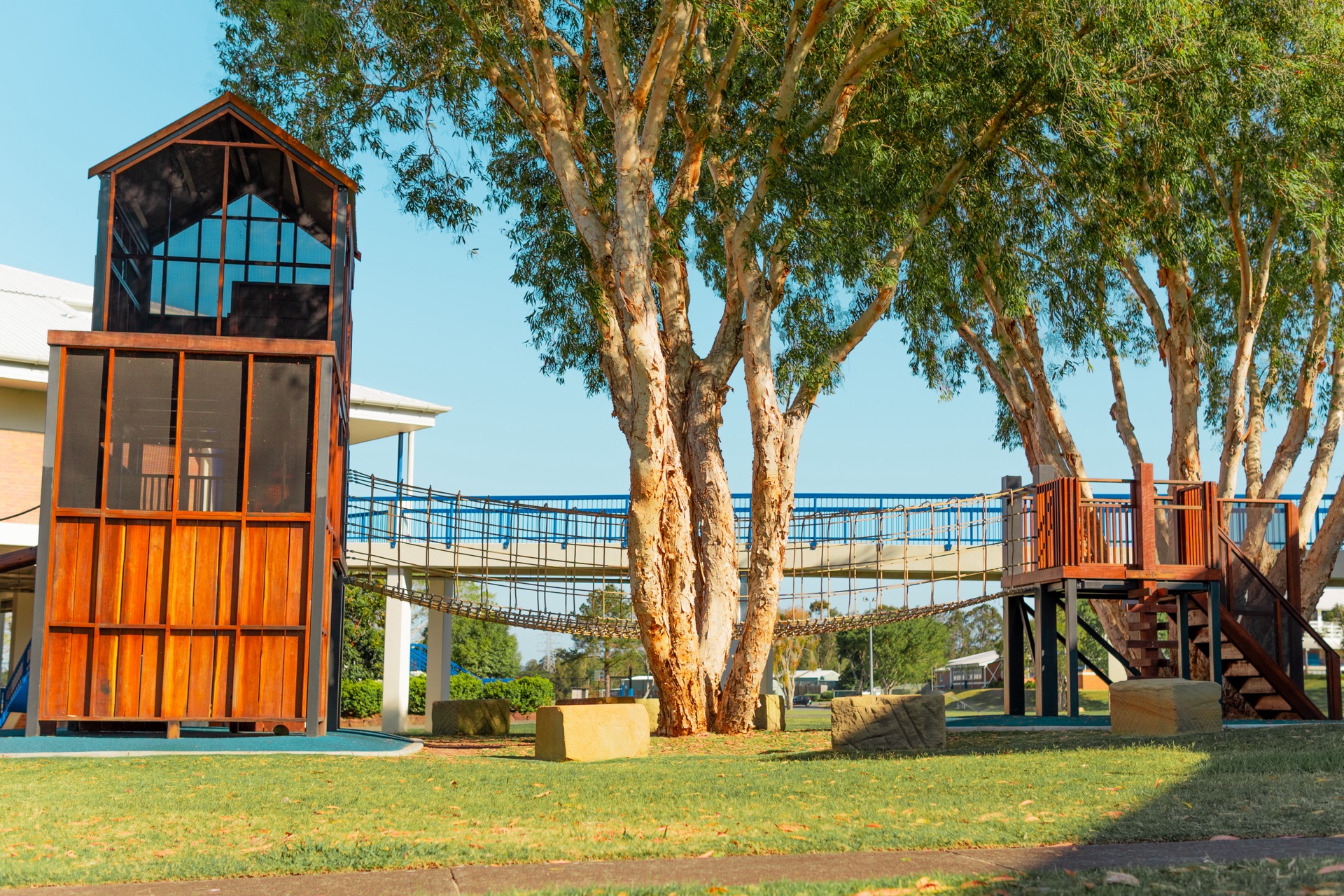
- Living plants: Trees, shrubs, grasses, garden beds
- Natural surfaces: Grass, sand, soil, mulch, rocks
- Natural materials: Timber, stone, water features
- Seasonal change: Environments that shift with the seasons
- Sensory diversity: Smells, textures, sounds of the natural world
Documentation Requirements
NQF compliance requires comprehensive documentation:
- Risk assessments: Active documents covering use patterns, hazards, age-appropriateness, supervision strategy
- Equipment manuals: Original documentation for all playground equipment
- Installation records: Certificates and records from installation
- Inspection logs: Regular inspection records showing ongoing compliance
- Supervision plans: Evidence-based plans reflecting risk levels
- Maintenance records: Documentation of repairs and upkeep
Compliance as Liberation
Here's the perspective that changes everything:
When Standards Are Genuinely Met
When compliance is genuinely met, educators can focus on the deep work—wellbeing, relationship, and authentic experience. You stop worrying about whether the environment is safe and start focusing on how children are engaging, learning, and growing.
Avoid a sterile, over-produced childhood. Build environments that breathe with children's curiosity and community. Compliance creates the foundation; what you build on that foundation is where the magic happens.
Integrating Frameworks
Best practice ethos blends multiple frameworks to create confident, high-quality practice:
- EYLF: Early Years Learning Framework guides developmental practice
- NQF: National Quality Framework sets operational requirements
- Australian Standards: AS 4685 and related standards ensure equipment safety
- State regulations: Specific requirements for your jurisdiction
The goal is to exceed standards to uphold duty of care, reduce injury risk, and manage liability—without letting compliance eclipse child development.
Key Takeaways
- 7sqm minimum: Per child of usable outdoor space (state definitions vary)
- Safety + development: Prevent injury while providing scalable challenges
- Mixed affordances: Both fixed and movable elements invite agency
- Whole child: Physical, social, emotional, cultural, spiritual dimensions
- Real nature required: Artificial turf and timber forts aren't enough
- Document everything: Risk assessments, manuals, inspections, supervision plans
- Compliance liberates: When met, educators can focus on children's growth
Need Help with NQF Compliance?
We design playgrounds that exceed NQF requirements while creating rich developmental environments. Book a free discovery call to discuss your compliance needs.
Send an Enquiry