
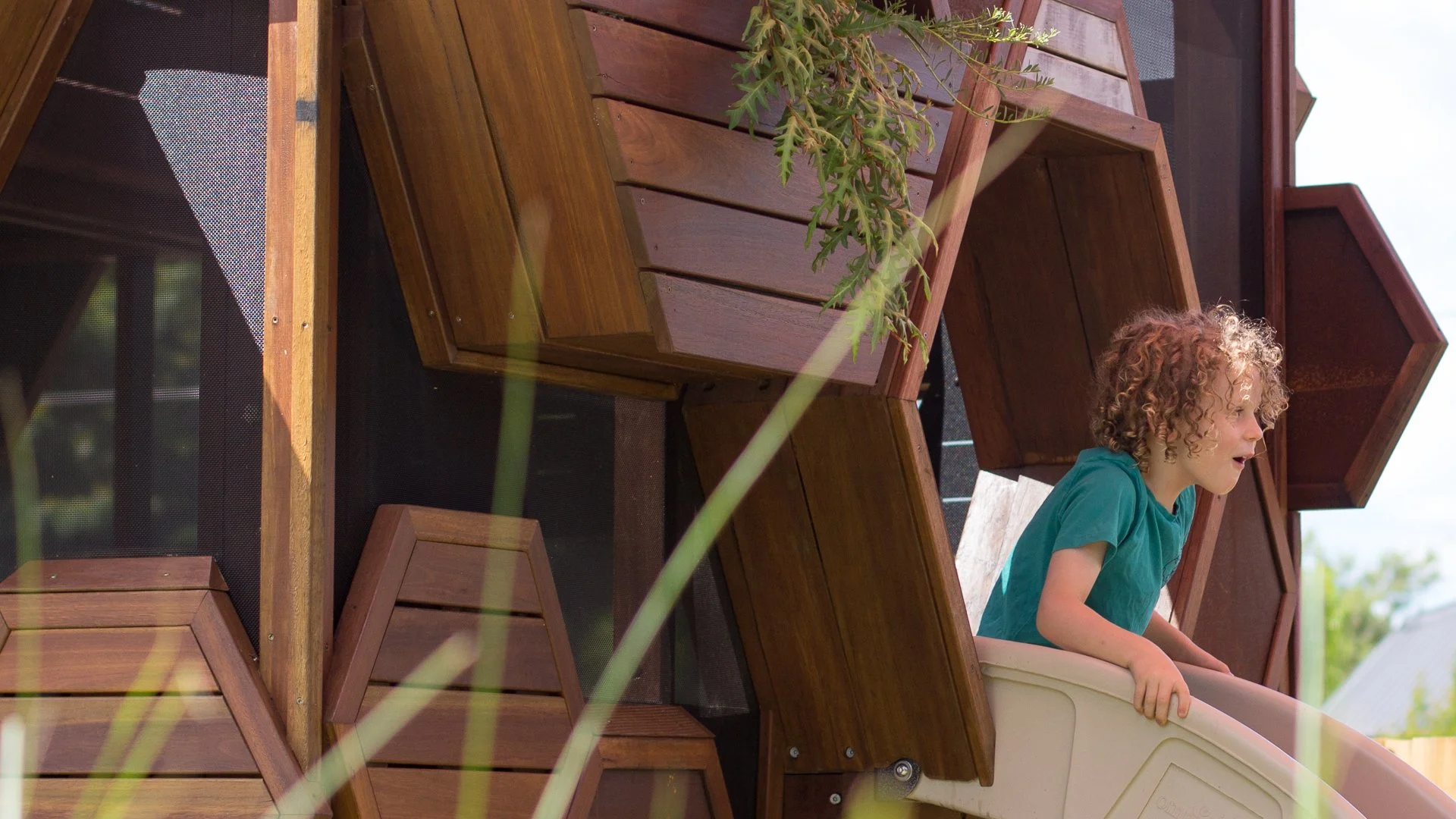
Imagination, that wonderful child-like ability that enables uninhibited thought and gives us the power to create, to dream. Imagination is boundless, fearless and full of hope. Introduce a book and we magically find ourselves in Narnia. Start a conversation and we are suddenly curing disease and saving the planet. Imagination allows entrepreneurs to form new ideas and artists to thrive but for our younger generations, it gives children the confidence to think and act beyond themselves.
"Imagination is more important than knowledge. For knowledge is limited, whereas imagination embraces the entire world, stimulating progress, giving birth to evolution."
Albert Einstein
Imagination Is the Foundation of Role Play
It's no surprise that it's therapeutic for kids (and adults), offering relief from emotional tension through empowered creative freedom. Making sense of the world and understanding our environment is crucial to childhood development. Piecing together elements of life as we live it by expressing ourselves through role play, allows for natural learning in disguise.
There are several types of dramatic play that expand children's intellectual growth:
Fantasy
Superheroes, supervillains, super powers! Kids LOVE make-believe. Whether they are pretending to be a princess or a dinosaur, fantasy gets those creative ideas flowing, promotes bravery and helps them differentiate good from bad.
Real Life
Construction and chores! Acting out real life situations helps kids develop physically while problem solving and learning new skills. Besides, who doesn't love a little helper around the house?!
Occupational
Doctors, nurses, policeman and the lolly-pop lady! Imitating adults inspires play and when it comes to jobs that help people, empathy is developed. Children are able to look outside their own needs during role play and these qualities tend to stick in real life.
"The ability to play is one of the principal criteria of mental health."
Joan Almon
Breaking Through the Walls of Reality
Breaking through the walls of reality with the freedom to express themselves and dramatise situations is a lot of fun for kids but also super beneficial in creating self-awareness. Smaller kids are known for acting on impulse so dramatic play encourages emotional self-regulation and working within boundaries. This type of engaging play increases the depth of concentration and is especially helpful for children who have experienced trauma. Drama therapists use role play for children to gain perspective on their feelings and better handle situations.
Role play not only encourages imagination and thinking but develops social and emotional skills, communicating feelings they otherwise might not be confident to share. Dramatic play also supports language and communication, motivating children to speak from the perspective of their pretend role.
How to Encourage Role Play
Structured Play
When the adult sets up an imaginary scenario. It is child-initiated play, giving kids the freedom to choose the scenario based on what's available to them. Letting them set the pace makes it less tedious and more playful.
Unstructured Play
This is child-initiated play, giving kids the freedom to choose the scenario based on what's available to them. Letting them set the pace makes it less tedious and more playful.
Outdoor Play
Enabling exploration and putting our own fears aside is essential for developing confidence and resilience in kids. Let children run onto fields and into the bush, climb trees and hide behind logs. Being immersed in nature truly lets the imagination run wild...instead of being plonked in front of a screen, absorbing other people's stories and imaginations.
Let the Learning Begin
Ditch the teaching script and let the learning begin! Children are born with the natural urge to learn and flourish. If imagination is nurtured from the very start, it promotes learning later in school subjects like literature, history and geography where the mind needs to visualise in order to understand. With imaginative play, children learn to function better in a greater community, setting them up for social success. So turn that couch into a pirate ship and sail into your child's imagination - you might have some fun along the way too.