
Direct Answer
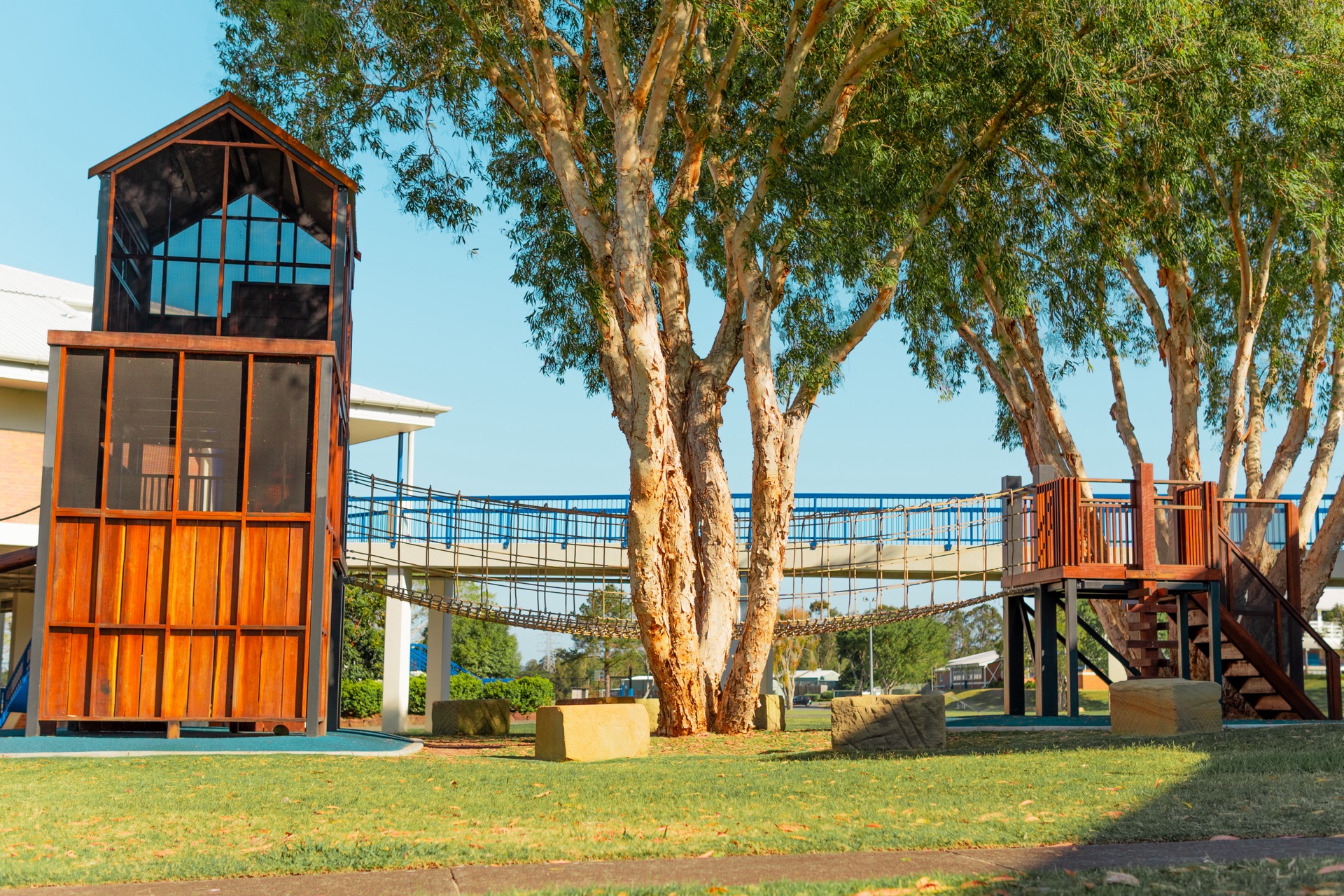
A well-designed childcare outdoor play area includes diverse zones that support all developmental domains. At minimum: active play equipment, quiet spaces, nature elements, sand/water play, shade, and compliant surfacing. The best spaces go beyond minimum requirements to create environments that invite exploration, challenge, and wonder.
Essential Zones for Childcare Outdoor Areas
1. Active Play Zone
Space for gross motor development through physical challenge:
- Climbing structures: Age-appropriate heights with varied challenge levels
- Swings: Bucket seats for younger children, flat seats for older
- Slides: Various heights and styles
- Balancing elements: Beams, stepping stones, wobbly bridges
- Open running space: Room for chasing games and free movement
2. Quiet Retreat Spaces
Areas for rest, observation, and small-group play:
- Cosy corners with seating
- Cubby houses or enclosed spaces
- Reading nooks
- Spaces away from high-activity areas
3. Nature Play Area
Connection with the natural world:
- Living plants: Trees, shrubs, ground covers
- Natural materials: Logs, stumps, rocks, bark
- Digging patches: Areas where children can dig in soil
- Gardens: Vegetable, herb, or flower gardens children can tend
- Wildlife habitats: Bird baths, butterfly gardens, insect hotels
4. Sand and Water Play
Open-ended sensory and construction play:
- Sandpit with cover (hygiene and shade)
- Water play options (taps, channels, containers)
- Mud kitchen or messy play area
- Tools and accessories for manipulation
5. Creative and Imaginative Play
Spaces that support pretend play and creativity:
- Dramatic play structures (shops, houses, vehicles)
- Construction zones with loose parts
- Art and mark-making spaces
- Music and sound-making areas
6. Sensory Garden
Plants and elements engaging all senses:
- Touch: Varied textures (soft lamb's ear, rough bark)
- Smell: Fragrant herbs (lavender, mint, rosemary)
- Sight: Colourful flowers, movement (grasses, wind spinners)
- Sound: Rustling leaves, wind chimes, bird attractors
- Taste: Edible garden (with supervision)
Compliance Requirements
Space Requirements
Australian regulations require:
- 7m² minimum unencumbered outdoor space per child
- Direct access from indoor spaces (or safe pathway)
- Adequate supervision sightlines
- Appropriate fencing and gates
Safety Standards
- AS 4685: All playground equipment must comply
- AS 4422: Impact-attenuating surfacing in fall zones
- Shade: Adequate sun protection (natural or built)
- Drainage: Surfaces that don't pool water
Age-Appropriate Considerations
Under 2s
- Sensory-rich but simple environments
- Low climbing elements (max 60cm fall height)
- Soft, safe surfaces throughout
- Separated from older children's active play
2-3 Year Olds
- Increasing physical challenge
- Simple dramatic play elements
- Sand and water play essentials
- Clear pathways for wheeled toys
3-5 Year Olds
- More complex climbing and balancing
- Swings and spinning equipment
- Elaborate imaginative play opportunities
- Construction and loose parts play
Key Takeaways
- Diverse zones support all developmental domains
- 7m² per child is the minimum outdoor space requirement
- Nature integration is essential, not optional
- Quiet spaces are as important as active zones
- AS 4685 compliance required for all equipment
- Age-appropriate design for your specific cohort
- Shade and weather protection critical in Australia
Planning Your Outdoor Play Area?
Every childcare centre is different. Book a free discovery call to discuss your space, your children, and your vision.
Send an Enquiry