
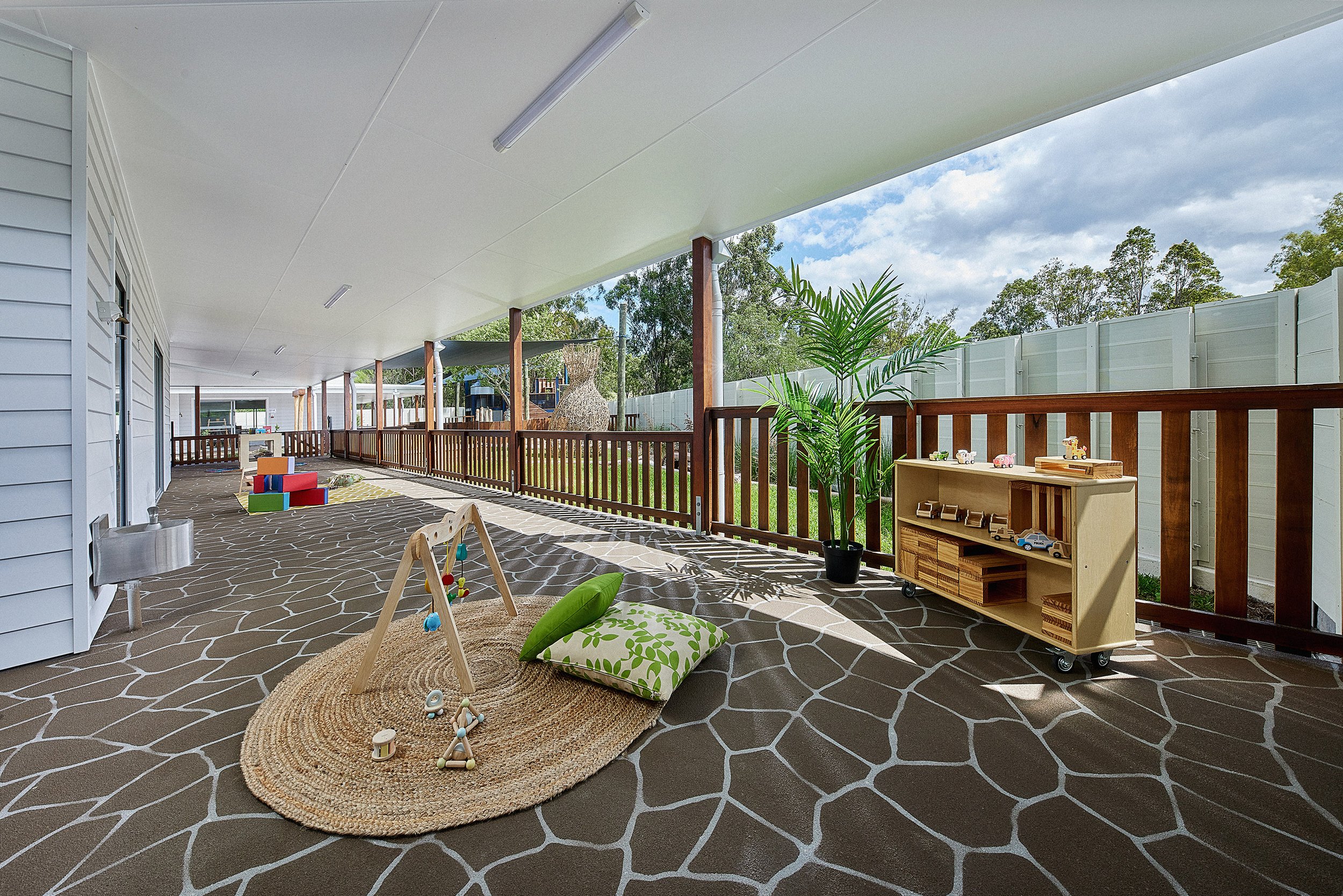
New here? Start with Part One — What is nature play? Otherwise, welcome back. This is the "taking action" phase. Thanks for stepping outside with us and exploring the joy and wonder of nature play. Now we can get our hands dirty with a bunch of salty suggestions on how to support our little ones in nature.
A great place to start is looking at a child's senses — to see how we can engage them all and get them overlapping as much as possible.
"Before we ever put a pencil in a child's hands, those hands should dig, climb, press, push, pull, squish, twist, and pinch in a wide array of environments and with a variety of material."
Amanda Morgan
Touch
As the first sense that humans develop, it's no surprise that touch is at the top of our list. By learning texture, temperature, pressure, vibration and other sensations, different receptors in the skin communicate with our brains and help us interact with the world.
Water Play
The beach, river, swimming pool or garden sprinkler — all good options for some wet and wild fun. Just be mindful of water wastage.
Mud Play
The washing machine's most beloved activity. Mud kitchens turn kids into earth chefs who can cook up muddy delights on demand.
Fire Pit
Fire is the best element to help children understand their own limitations around temperature. Educating kids from a young age about the benefits and hazards of heat enables them to manage their own safety and mitigate risk.
Sight
Monkey see, monkey do — loose parts play is all the rage right now. Loose parts are made up of materials that can be moved, manipulated, constructed, rearranged, taken apart, put together and given a destiny that is determined by a child. We love the idea of using tools to teach children how to build their own loose parts world. By using hammers, saws, drills and nails, we can lead by example in a safe and nurturing environment for kids to learn handyman skills from a young age. (We do advise an adult supervising when using tools.)
Speaking of monkeys — well, farm animals to be specific — taking the kids to a community farm is a sensory experience that encourages care and respect for animals. This is also an opportunity for children to deepen their relationship with food. There's a reason why children love animals: they share the same innocence and curiosity.
Hearing
We want to encourage listening skills and empathy in children from a young age, so yarning circles are a fantastic, Indigenous, easy-to-make area in any play environment. Simply create a circle with rocks (or children!) and find a stick. The stick is passed around to each child when it's their turn to talk.
Yarning circles have been around since the Dreamtime, and they are a great opportunity for children to express themselves surrounded by their peers — cultivating emotional intelligence and compassion.
Smell
The Australian bush, botanical gardens and rainforests are abundant with natural scents to ignite any child's curiosity. Nature walks are a total attack on the senses — but noticing different smells within nature not only ignites curiosity, it teaches children about our beautifully fragrant landscape.
Taste
Now, we're not suggesting you go foraging into the bush for berries and grubs — not unless you know exactly what you're doing! But a meal eaten outside can dish up a delightful experience for everyone. Whether it's a picnic in the park or backyard brekkie, adding a daily dose of nature while you eat will nourish your hunger and your soul.
Gardening is another great way for children to develop healthy relationships with their food. Even a small windowsill with sunlight is enough to start a child caring about what goes onto their plate, and it increases their chances of eating healthy, organic foods.
Building Relationships
Whether you're an educator, parent or big person in a child's life, we are limited by our own capacity to teach children essential life skills. Nature is the teacher of things that cannot be taught.
You might notice all of the activities above have an underlying theme — building relationships. By increasing a child's time spent outdoors, we are not only exposing them to incredible health benefits, they are building essential relationships. With awareness and respect for the environment also comes a sense of belonging. When you care for something, the outcome is a feeling of love.
Why wouldn't we want to support children in becoming compassionate, resilient, independent, adventurous teenagers who thrive in the outdoors and care deeply for our planet? We can simply look to the news to see more and more brilliant young eco-warriors defending our planet and their future — we should never underestimate the power of children.
Start Somewhere
Starting somewhere is the next step to bringing more nature play into children's lives. We don't have to create a grand outdoor stage for children to perform — we can utilise what is available to us right now. The moment we see value in something, our mind finds a way of making things happen. So, understanding the value in simple things can do wonders for any natural environment, which can soon become part of a routine for children.
Until we start valuing nature and seeing it as a huge contributor to children's wellbeing, only then are we honouring a child's right to nature immersion as crucial to their development. Realising that our children's health is at stake — and knowing we are not looking after ourselves — has been proven in recent data. It's not just chatter. Our physical and emotional stress levels are at an all-time high, and nature is the best prescription money can't buy.
Children can have healthy relationships with technology, which is important as this will be their future. But external, intangible fulfilment like screen time offers so little for a child's development in comparison to the plentiful benefits of nature. Our reality is, children need adults to get them outside from an early age. It is our responsibility to ensure children are receiving the natural experiences we did, so they can look back and smile at the nostalgia of a memorable, adventurous, nature-filled childhood.
Where to Learn More
We've compiled a list of some of our favourite books and online resources on nature play:
- Last Child in the Woods — Richard Louv
- Our Wild Calling — Richard Louv
- Balanced and Barefoot — Angela Hanscom
- Deep Nature Play — Joseph Bharat Cornell
- 50 Dangerous Things You Should Let Your Children Do — Gever Tulley
- Maggie Dent — Nature Play Gallery
- Nature Play QLD
- Pip Magazine